Clinical Trials & Research
Research, with patients as partners.
The practice takes part in clinical research on chronic rhinosinusitis and nasal polyps, including Phase 3 trials of biologic therapies. This page explains what a clinical trial is, what taking part involves, who may be considered, and how to register your interest.
Which studies are open to new participants changes over time. The office can tell you what is currently enrolling and whether it might fit your situation.
In Plain Language
What a clinical trial actually is.
A clinical trial is a carefully designed study that tests whether a treatment is safe and whether it works, in real patients, under close supervision. New medicines reach patients in Canada only after a sequence of trials: early studies in small numbers of people to establish safety and dose, then large Phase 3 studies, often across many centres and countries, that compare the new treatment with the current standard or a placebo.
For chronic rhinosinusitis with nasal polyps this matters directly. The biologic medicines now used for polyp disease exist because patients took part in exactly this kind of research, and the questions that remain, which patients benefit most, for how long, and how these medicines fit alongside surgery, are being answered the same way.
Taking part means following a study protocol: scheduled visits, examinations and measurements that are more structured than routine care, and sometimes a treatment that is assigned by chance rather than chosen. In return, participants are monitored closely, and their care team learns things that improve care for everyone with the condition.
Voluntary
Taking part is your choice. Declining, or withdrawing later, never affects the care you receive from the practice.
Informed consent
Before anything happens you receive a written consent document to take home, and every question is answered. Consent can be withdrawn at any time.
Oversight
Trials of a medicine in Canada require Health Canada authorisation and approval by an independent research ethics board, which reviews the protocol and the consent materials and monitors the study.
Costs
Study treatment and study-related assessments are provided by the study. Any reimbursement of travel or time is set out in the consent document for that particular trial.
Current Focus
Where the practice's research effort goes.
Three lines of work, each an extension of the clinical problem the practice sees most: chronic inflammatory disease of the nose and sinuses.
Biologic therapies for nasal polyps (CRSwNP)
Dr. Khetani is an active investigator in Phase 3 clinical trials of biologic medicines for chronic rhinosinusitis with nasal polyps: large, multicentre studies that ask whether a treatment reduces polyps, restores the sense of smell and reduces the need for further surgery, and in which patients. Study visits take place at the Burlington office.
Phase 3 · multicentre · enrolment varies by studyAI-assisted imaging for nasal endoscopy
A research collaboration on whether artificial intelligence can help standardise what an endoscope sees, so that the extent of disease is measured the same way by different clinicians and over time. Participation typically means consenting to the use of de-identified endoscopy images.
Diagnostic research · collaborativeNational advisory work on emerging therapies
Dr. Khetani contributes to national specialist advisory work on emerging treatments for chronic sinus disease. It is not a study patients join, but it is why the assessment for biologic therapy offered here reflects the current evidence rather than habit.
Advisory · specialist consensusStudy names, sponsors and enrolment status are deliberately not published here, because they change. The office states them, from the current protocol, when you ask.
Taking Part
What happens, step by step.
-
A conversation first
Ana, the practice's medical assistant and research coordinator, talks through what is currently enrolling and whether it might fit your diagnosis. No commitment is made at this stage.
-
Consent, in writing, at your pace
You receive the study's consent document to read at home. Every question is answered before you sign, and you can bring someone with you.
-
Screening
Each study has its own eligibility criteria: examination, nasal endoscopy, imaging, bloodwork or symptom questionnaires, as the protocol sets out. Not everyone who is interested will be eligible.
-
Study visits
Scheduled visits at the Burlington office follow the protocol: treatment, examinations and measurements, with close monitoring throughout. The schedule is explained before you agree.
-
Your regular care continues
Being in a study does not replace your relationship with the practice. You can withdraw at any time, for any reason, and your care continues as before.
Who may be considered
Most of the practice's studies concern adults with chronic rhinosinusitis with nasal polyps confirmed on endoscopy or CT, particularly where the disease persists despite structured medical therapy or has returned after surgery. Some studies also seek patients with chronic sinusitis without polyps, or patients whose endoscopy images can be used in imaging research.
You do not need to be an existing patient. Referred patients, patients waiting for an assessment and patients of other practices can all register interest; if a study needs a referral or a specialist assessment first, the office will explain how that is arranged.
The Research Team
Who you will deal with.
Investigator
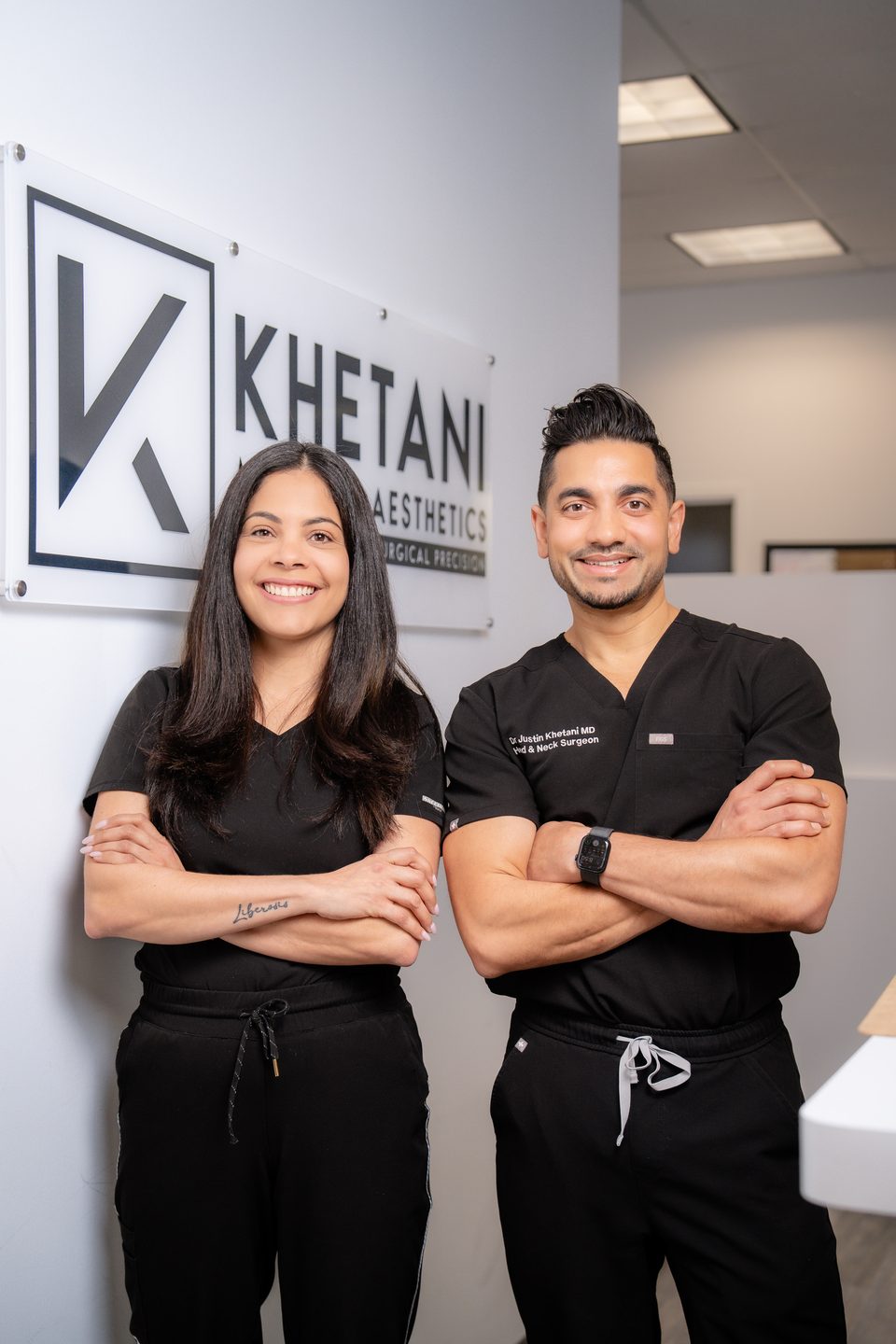
Dr. Justin Khetani, MD FRCSC, otolaryngologist and head & neck surgeon, fellowship-trained in rhinology; Co-Director of the McMaster Rhinology & Endoscopic Skull Base Surgery Fellowship; Phase 3 trial investigator in CRSwNP. Academic & research profile.
Research coordination
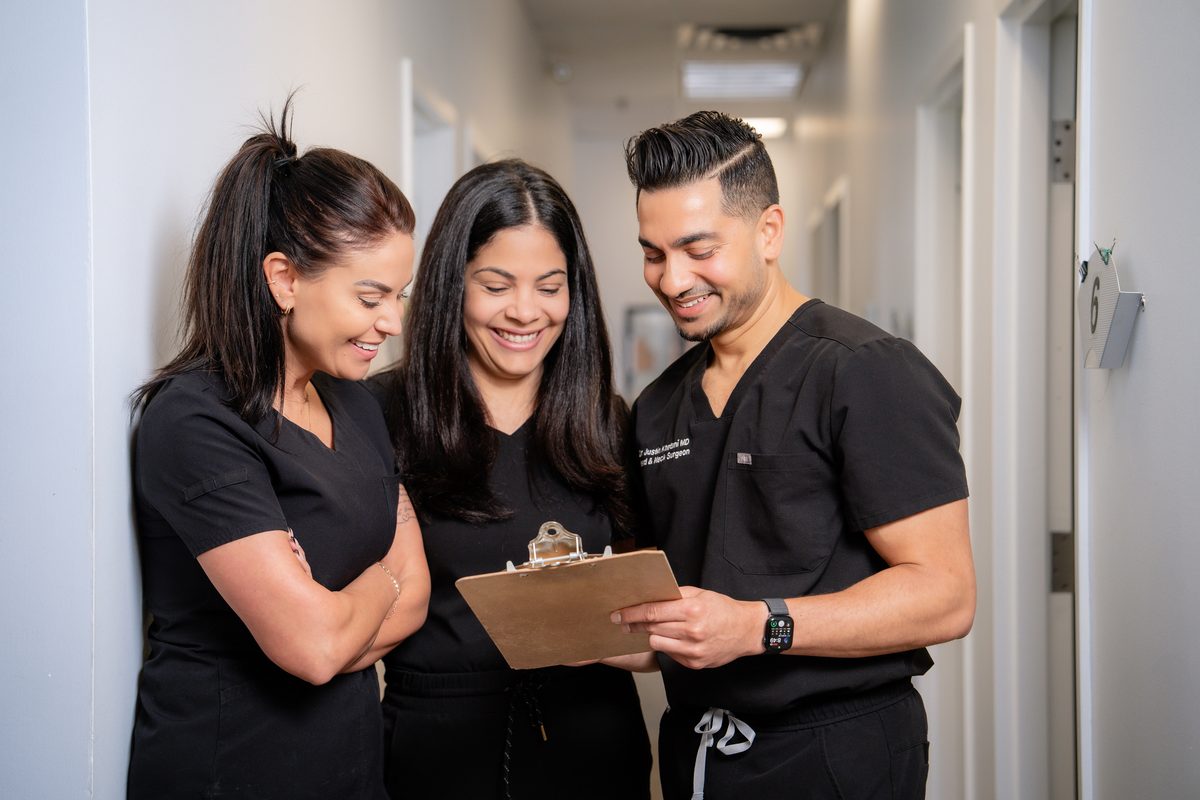
Ana, the practice's medical assistant, obtains patient histories and is involved in the clinical research trials and research projects the practice takes part in. She is the first point of contact for anyone interested in a study. Meet the team.
Where
Screening and study visits take place at the Burlington office, 1435 Plains Road East. The practice is listed among the Canadian Rhinologic Society's Centres of Excellence for expedited assessment of nasal polyps confirmed on CT. Affiliations.
Register Your Interest
Ask to be considered for a study.
Leave your details and the office will contact you about what is currently enrolling. Registering is an expression of interest only; it is not enrolment, and it does not commit you to anything. You can also call (905) 639-2244 and ask for Ana.
If you are not yet a patient of the practice and your concern is medical, an OHIP-insured assessment generally still requires a referral from your physician or nurse practitioner.
Interest registered
Thank you. Ana will contact you about the studies currently enrolling. If your question is time-sensitive, please call (905) 639-2244.
Preview build: this form is not yet connected to the practice's secure processing system.
Common Questions
Clinical trials, answered plainly.
No. Your care from the practice continues as before, whether you join a study, decline, or withdraw part-way through. A study adds visits and monitoring; it does not take anything away.
Study treatment and study-related assessments are provided by the study, not billed to you. Whether travel or time is reimbursed depends on the individual trial and is set out in its consent document before you decide. Payment is never an inducement to take part; the amounts, where they exist, are reviewed by the research ethics board.
Not to register interest. Some studies require a specialist assessment first, and an OHIP-insured assessment of a medical concern generally requires a referral from your physician or nurse practitioner; the office explains what applies to the study you are interested in.
You can withdraw from a study at any time, for any reason, without giving one, and without any effect on your care. The consent document explains how, and what happens to information already collected.
A trial of a medicine in Canada requires authorisation from Health Canada and approval from an independent research ethics board, which reviews the protocol, the consent materials and the study's conduct. Investigators follow Good Clinical Practice, an international standard for how trials are run and how participants are protected.
At the Burlington office on Plains Road East, minutes from Highway 403. Patients take part from across Halton, Hamilton, Peel and the Niagara Region; if travel is a concern, say so at the first conversation and the schedule is discussed with that in mind.
Interested, or just curious?
Either is a good reason to ask. The office will tell you what is enrolling now and whether it could fit you, with no obligation.