
Septoplasty
Straightening a deviated septum to restore airflow: through the nostrils, with no external incisions and no change to the nose's appearance.
Explore septoplastyOtolaryngology · Head & Neck Surgery · Burlington, Ontario
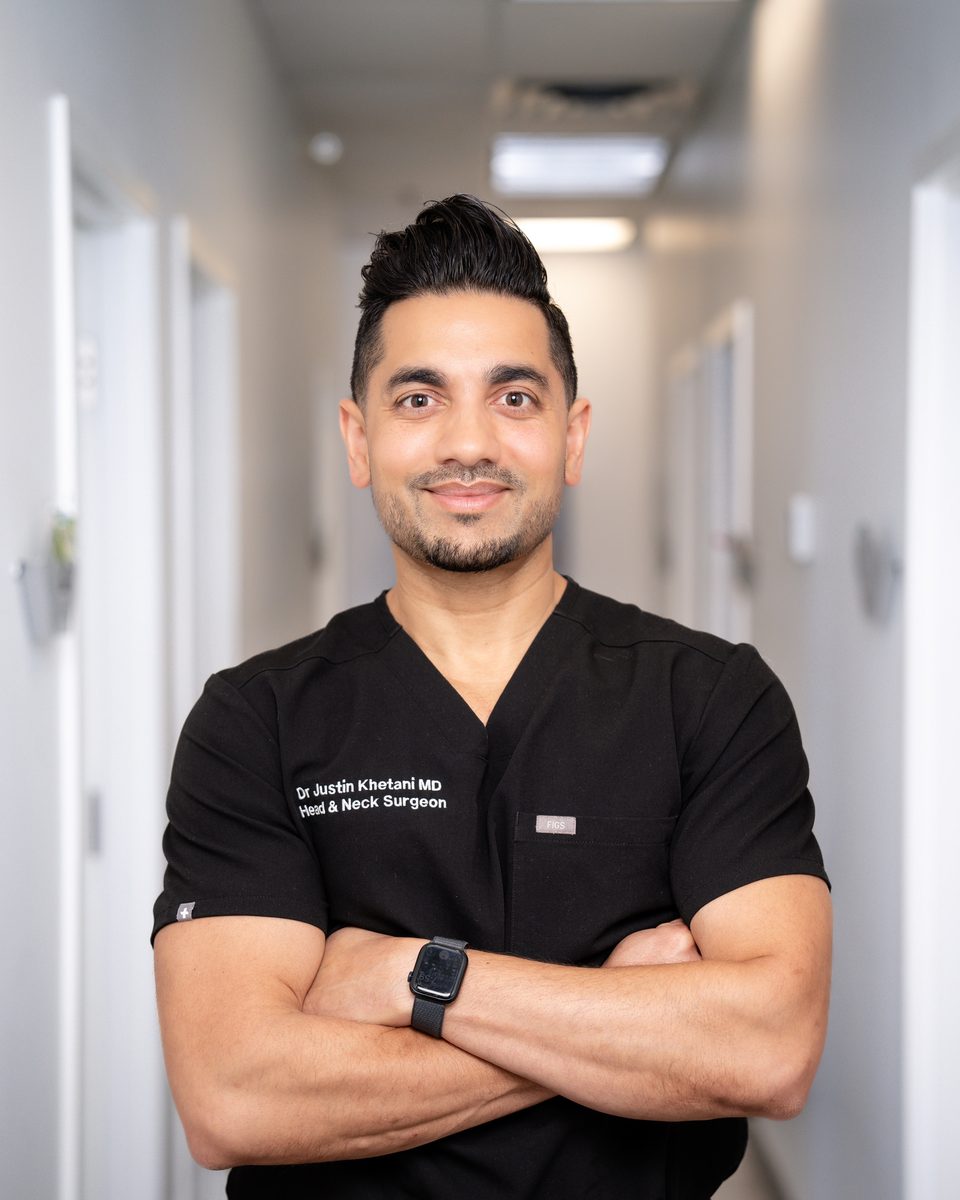
Dr. Justin Khetani is a Royal College-certified otolaryngologist and head & neck surgeon, fellowship-trained in rhinology and anterior skull base surgery. Surgery that cares how a nose looks and how it breathes.







Assessment first. Restraint always.
II · Surgical Procedures
The septum, the sinuses and the shape of the nose are one connected system, and are treated that way.
Straightening a deviated septum to restore airflow: through the nostrils, with no external incisions and no change to the nose's appearance.
Explore septoplastyReshaping the nose (for appearance, for breathing, or for both), planned by a surgeon whose specialty is the nose itself.
Explore rhinoplastyOpening the sinuses' natural drainage pathways when medical therapy isn't enough, performed entirely through the nostrils.
Explore sinus surgeryIII · Why It Matters
Form follows breathing.
A dorsal hump, a drooping or bulbous tip, asymmetry: the reasons people consider rhinoplasty are usually visible from the outside.
The same cartilage that shapes a profile also holds the airway open. Obstructed breathing is often a structural problem of the same anatomy.
Where appearance goals and a breathing problem coexist, they can often be addressed in one operation, assessed together at one consultation.
Appearance goals and breathing problems are assessed together at one consultation, including which parts of a combined operation may be OHIP-insured.
IV · Pathways
Medical and cosmetic care follow different pathways in Ontario. Knowing which applies to you makes the first step simple.
OHIP-Insured Care
Blocked nasal breathing, chronic sinusitis, nasal polyps, recurrent infections and nasal injuries are medical concerns. Surgery for these concerns is insured under OHIP when medically necessary — OHIP pays the surgeon and the hospital. An OHIP-insured assessment begins with a referral from your physician or nurse practitioner. Each condition is explained, with its options and their trade-offs, on the conditions pages.
How referrals work What OHIP covers For referring physicians
Cosmetic Consultations
If your interest is the appearance of your nose, you can request a consultation directly; no referral needed. Surgery to change the appearance of the nose is not insured by OHIP. Fees are quoted in writing after assessment; a cosmetic consultation carries a fee confirmed by the office, and paying it does not affect access to insured care.
Where breathing and appearance overlap, both are assessed together. That combination is the practice's particular strength.
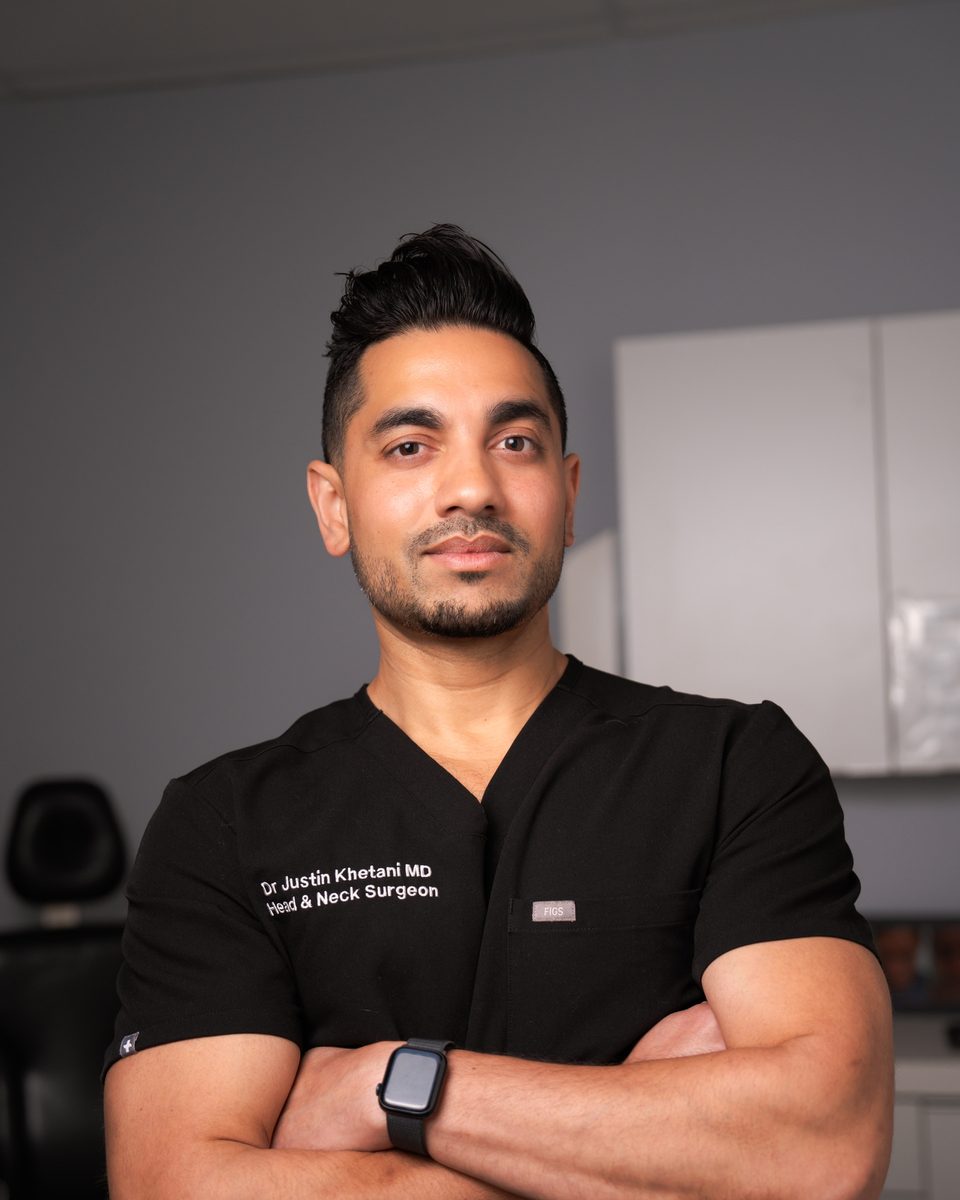
V · The Surgeon
Affiliations & registrations
CertifiedFRCSC, 2012
— Certification on the CPSO register (opens in a new tab)
DegreeMD, 2007
— Degree on the CPSO register (opens in a new tab)
AppointedDepartment of Surgery
— Department directory (opens in a new tab)
FellowshipRhinology & skull base, 2013
— Fellowship, U of A Otolaryngology (opens in a new tab)
RegisteredRegistrant #86787
— Public register (opens in a new tab)
PrivilegesSurgical
— Physician directory (opens in a new tab)
MemberFacial plastic & reconstructive surgery
— Academy (opens in a new tab)
MemberRhinology
— Society (opens in a new tab)
ListedCanadian Rhinologic Society
— Directory (opens in a new tab)
MemberMcMaster Skull Base Group
— Members (opens in a new tab)
Membership or listing records a professional relationship, not an endorsement of this practice. Every affiliation, with its public source.
VI · What to Expect
Whatever brings you in, the sequence is the same: assessment first, an honest recommendation second, surgery only where it is appropriate.
Medical concerns arrive by physician referral; cosmetic consultations can be requested directly. Either way, the office arranges your appointment.
A focused history and examination of the nose (outside and inside, including nasal endoscopy where indicated), with your goals discussed privately.
What Dr. Khetani recommends and why: the expected benefits, the limits, the risks, the alternatives, and whether OHIP applies. Sometimes the recommendation is not to operate.
Surgery is performed in hospital, with informed consent completed beforehand and structured follow-up arranged as your recovery requires.
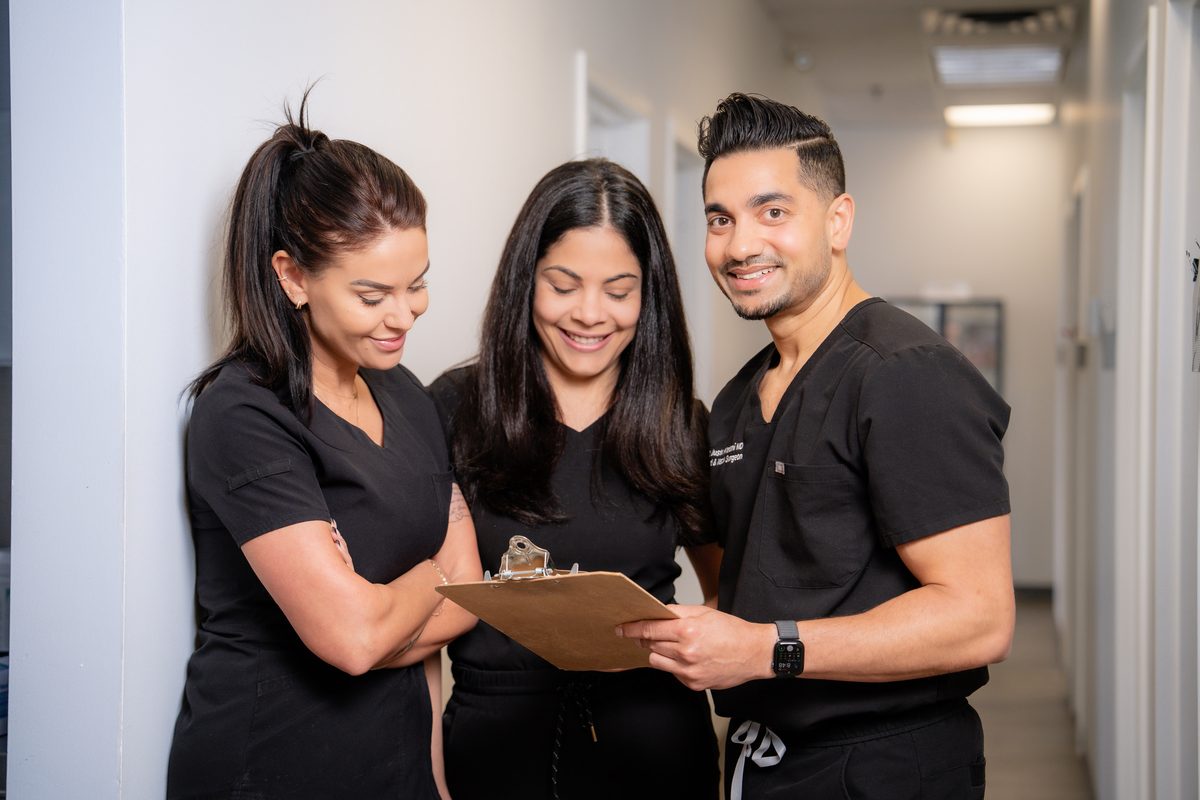
VII · Beyond the Operating Room
For chronic sinus disease and nasal polyps in particular, the first question is never which operation, but whether an operation is needed at all.

Nasal polyps & biologics
Medical management of chronic rhinosinusitis with nasal polyps is a core focus of the practice: structured medical therapy, assessment for the newer biologic medicines, and surgery only where it is earned. Dr. Khetani is a Phase 3 trial investigator in this field, and the practice is listed in the Canadian Rhinologic Society's directory of fellowship-trained rhinologists, whose listed practices commit to seeing CT-confirmed polyp patients within four months.
Research
The practice takes part in clinical research on chronic sinus disease and nasal polyps, including Phase 3 trials of biologic therapies and work on AI-assisted imaging for nasal endoscopy. Patients who fit a study's criteria can ask to be considered; participation is always voluntary and never a condition of care.
Teaching residents & fellows
Dr. Khetani co-directs the McMaster Rhinology & Endoscopic Skull Base Surgery Fellowship, and the practice teaches surgical residents as well as fellows: McMaster otolaryngology residents train with him in clinic and in the operating room.
For medical concerns (blocked breathing, chronic sinusitis, nasal polyps and similar), an OHIP-insured assessment begins with a referral from your physician or nurse practitioner, faxed to (905) 639-2253 (physicians: referral information). For cosmetic rhinoplasty, you may request a consultation directly on the cosmetic line, (905) 639-9756, or via the consultation request form.
Septoplasty and endoscopic sinus surgery are insured under OHIP when medically necessary — OHIP pays the surgeon and the hospital. Surgery to change the appearance of the nose is not insured by OHIP. Where one operation addresses both breathing and appearance, the insured and uninsured parts are identified separately, in writing, before anything is decided. The full picture is on the What OHIP covers page.
Medically necessary sinus and nasal surgery is insured under OHIP when medically necessary — OHIP pays the surgeon and the hospital. Surgery to change the appearance of the nose is not insured by OHIP; fees are quoted in writing after assessment. The full picture, procedure by procedure, is on the What OHIP covers page.
Surgery is hospital-based. Dr. Khetani's elective surgery is based at Joseph Brant Hospital in Burlington, with complex and skull-base procedures performed at Hamilton General Hospital as part of the McMaster Skull Base Group. Consultations take place at the Burlington office on Plains Road East.
Notes & explainers
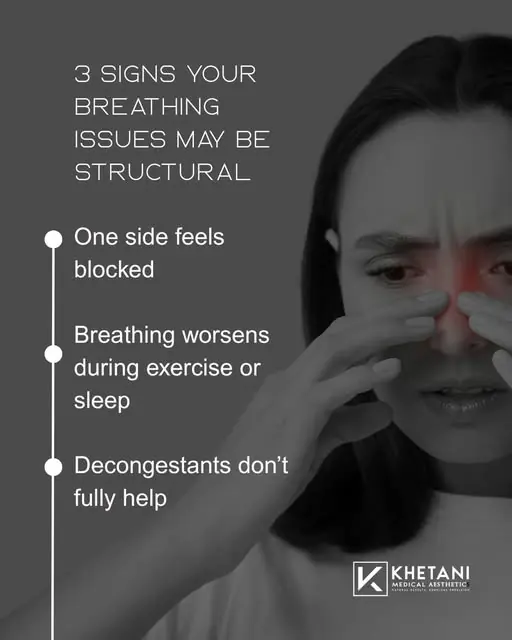

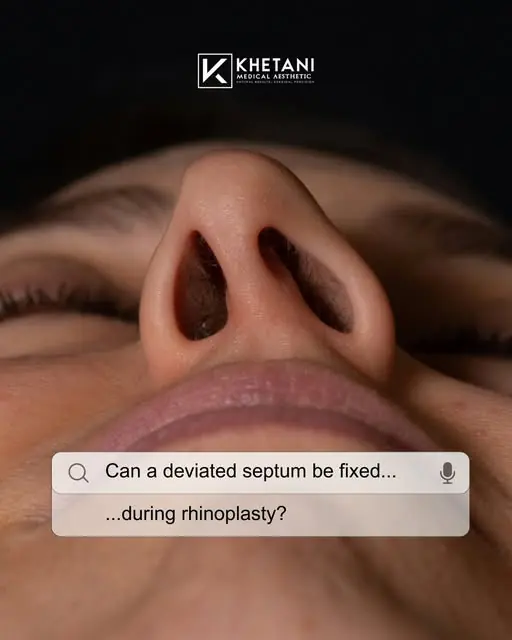
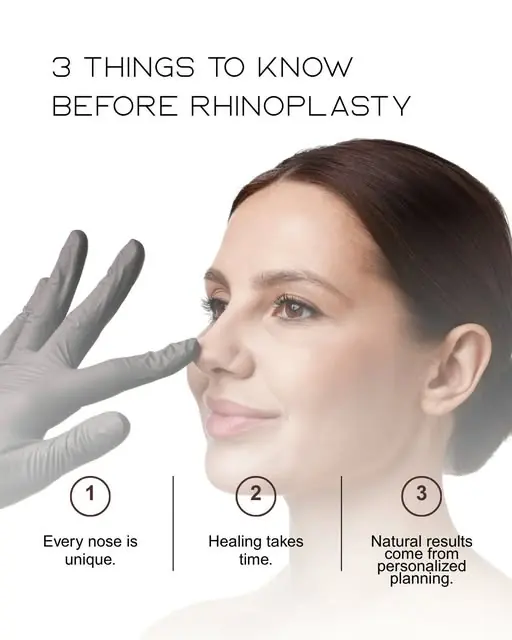
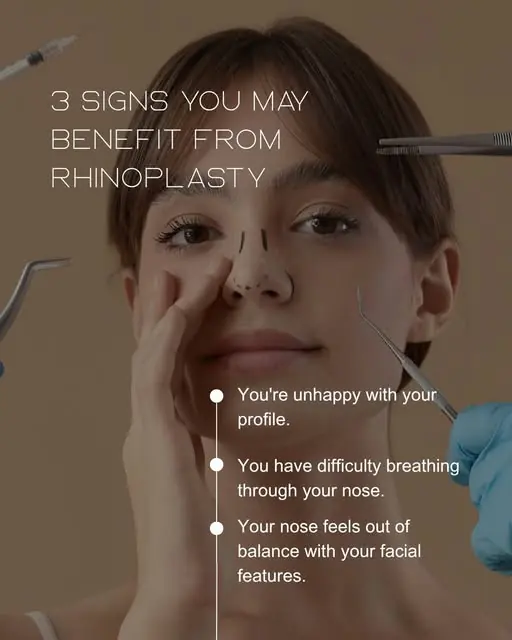
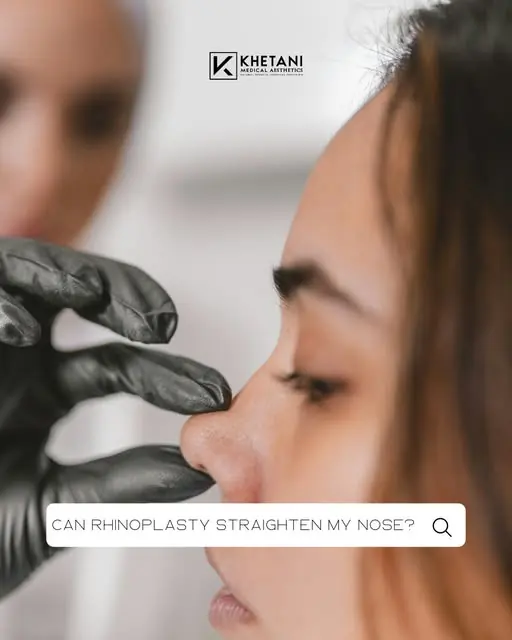

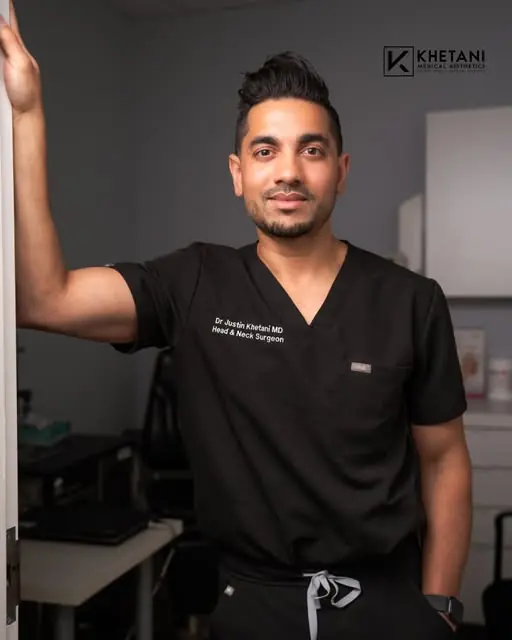
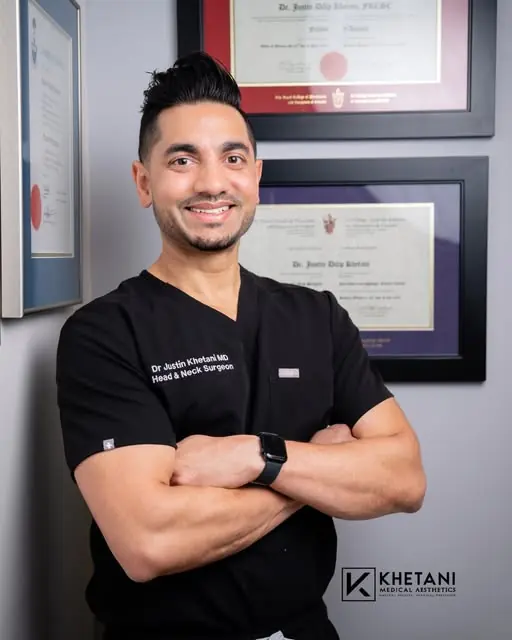
Posts open on Instagram. Nothing on the feed is medical advice, and patient images are never posted without written consent.
VIII · Visit
Consultations are held at the Burlington office, with surgery in hospital. Appointments are required; the office will confirm details when your consultation is arranged.
Looking for non-surgical treatments? Select injectable care continues through Khetani Medical Aesthetics.
When you call
The office phone is answered by an AI phone assistant (Phelix) that takes your details, records what you need and routes it to the right person, so a referral question, a booking or a post-operative concern is addressed promptly rather than waiting in a voicemail queue. How it works.
Thank you. This box is not yet connected to the practice’s secure processing system, so nothing you typed has been sent. For anything you want acted on, please call the office at (905) 639-2244.